
When exploring the question, “Why do females get their gallbladder removed?” it’s imperative to consider both biological and lifestyle factors.
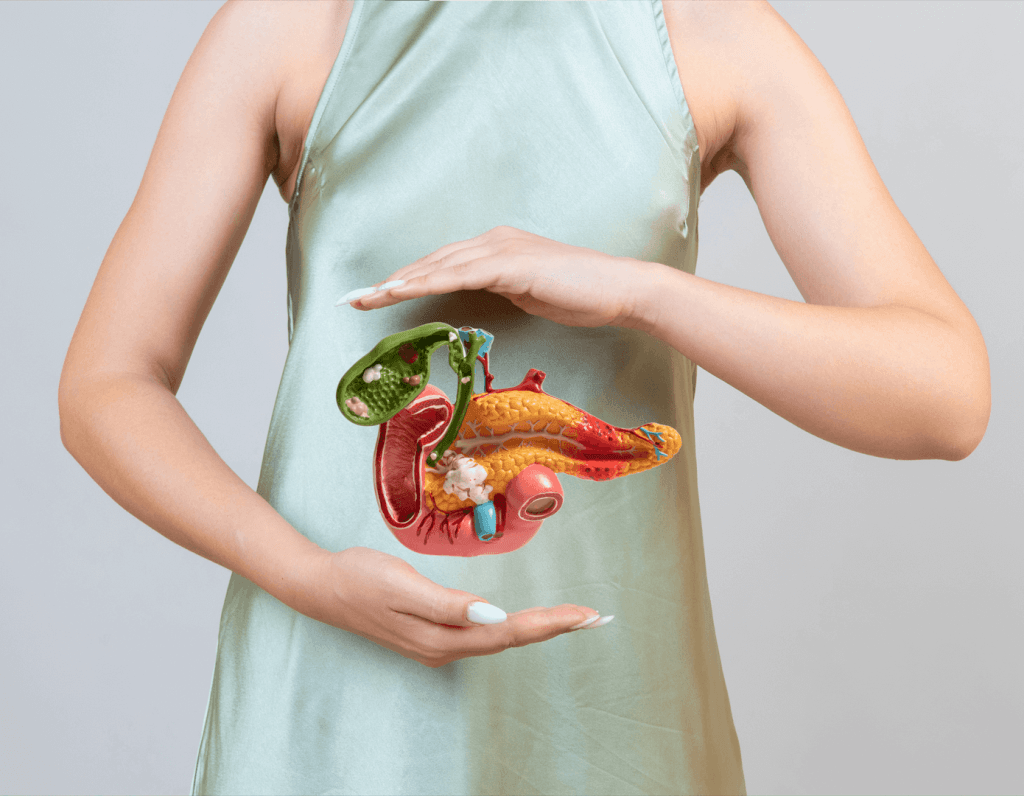
The gallbladder plays a pivotal role in bile storage and digestion, yet its removal – known as a cholecystectomy – is not uncommon, especially among females. Various factors contribute to women being more susceptible to gallbladder issues, necessitating removal in certain instances. Females are more likely to develop gallstones, which can lead to inflammation and other complications that require cholecystectomy. Hormonal changes, particularly during pregnancy or while taking birth control pills, can increase the risk of gallbladder problems in women. Additionally, obesity and rapid weight loss, which are more prevalent among females, are also significant risk factors for gallstone formation and gallbladder disease.
It is evident that females undergo gallbladder removal surgery far more frequently than males on average. But what places women explicitly at increased risk of developing symptomatic gallstones and gallbladder conditions requiring excision?
As your surgeon, I will break down the multiple biological, lifestyle, and social factors that stack the odds against women when it comes to maintaining a healthy gallbladder across the lifespan.
Key Factors To Understand
- Hormonal Changes: Estrogen fluctuations contribute to gallstone risk.
- Pregnancy Complications: Increased hormones and physical pressure affect gallbladder function.
- Obesity Concerns: Excess weight elevates the risk of gallstone development.
- Rapid Weight Loss: Crash dieting can induce gallstone formation.
- Age and Genetics: Older age and family history increase susceptibility.
- Cholecystectomy Necessity: Removal is advised in cases of chronic complications.
- Lifestyle Factors: Beyond biology, lifestyle plays a crucial role in prevention.
Gender-Specific Biological Factors
Hormonal Influences: Females experience hormonal fluctuations due to menstruation, pregnancy, and birth control pills.
Estrogen, in particular, can increase cholesterol in bile and reduce gallbladder movement, potentially leading to gallstone formation.
Pregnancy and Gallbladder Issues
Physiological Changes: Pregnancy induces significant hormonal changes, including increased estrogen levels.
Additionally, the growing uterus can exert pressure on the gallbladder, leading to reduced functionality and an elevated risk of gallstones.
Obesity and Gallstone Development
Weight-Related Risks: Females, like all individuals, are at an increased risk of developing gallstones if they are obese.
Excess body weight can elevate cholesterol levels in bile, a primary contributor to gallstone formation.

Rapid Weight Loss and Dieting
The Double-Edged Sword: While obesity is a risk factor, rapid weight loss, often resulting from crash dieting, can lead to an imbalanced bile composition.
This imbalance can precipitate gallstone formation, especially in females who might already be at a higher risk.
Age and Genetic Factors
Inevitable Influences: As women age, the risk of developing gallstones increases. Moreover, genetic factors and family history can predispose females to gallbladder issues more than their male counterparts.
Treatment: Cholecystectomy as a Solution
Removal for Relief: When gallstones cause chronic pain, inflammation, or other complications, removal of the gallbladder is often recommended. Given that females are more prone to gallstone development, they consequently undergo cholecystectomy procedures more frequently.
The Bigger Picture: Lifestyle and Prevention
- Beyond BiologyWhile biological factors play a significant role, lifestyle choices, including a balanced diet, regular exercise, and controlled weight management, can reduce the risk of gallstone development in females.
- Dietary HabitsData shows women consume significantly more trans and saturated fats on average than men in Westernized countries.
- Rapid Weight Loss TrendsFad dieting and emphasis on speedy postpartum weight loss boost gallstone chances by up to 6 fold.
- Later-Life ObesityDeclining estrogen and lifestyle changes surrounding menopause set the stage for increased central adiposity and gallstones.
Final Note From Dr. Rajarshi Mitra
While both males and females can experience gallbladder issues, certain biological and lifestyle factors make women particularly susceptible.
Recognizing these factors and adopting preventative measures can aid in reducing the need for gallbladder removal among females.

Dr. Rajarshi Mitra is a patient-centered, highly-rated Specialist Laparoscopic Surgeon & Proctologist in Abu Dhabi, offering Advanced Laparoscopic Surgery, Minimally Invasive Proctology & Lasers in Proctology. He is MBBS; MS (Surgery); FACS(USA); FIAGES; FICS (USA); Dip. Lap (France); and Dip. Hernia (APHS) with 20 years of extensive experience in Laparoscopic Surgery, Minimally Invasive Proctology and Fellowship training in Colorectal and Bariatric Surgery.