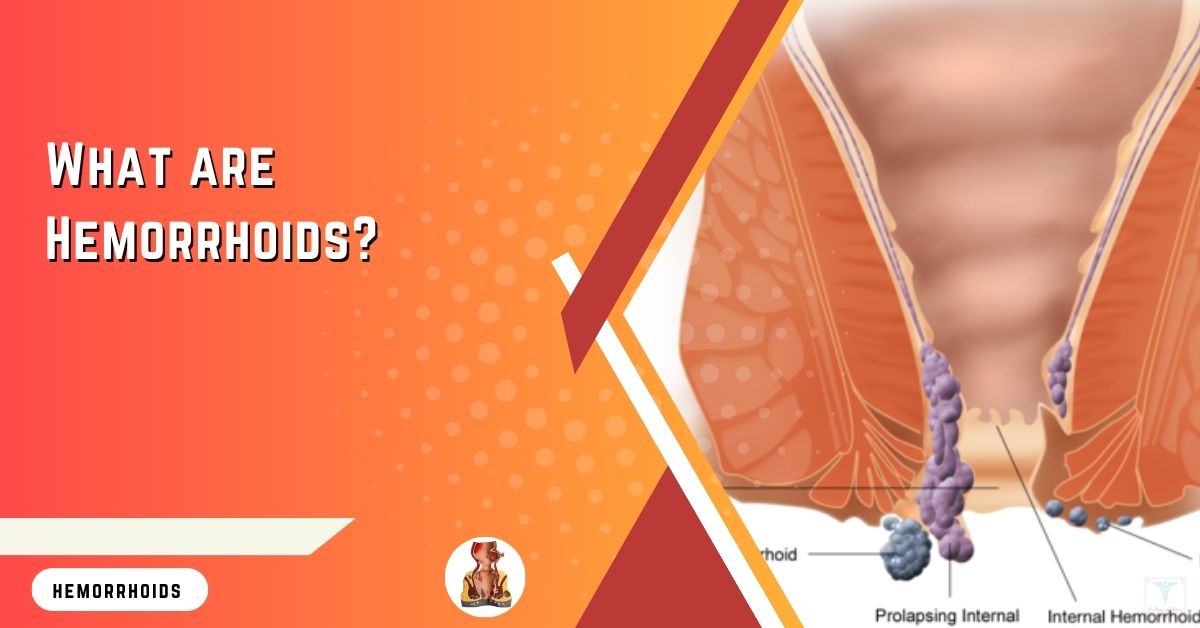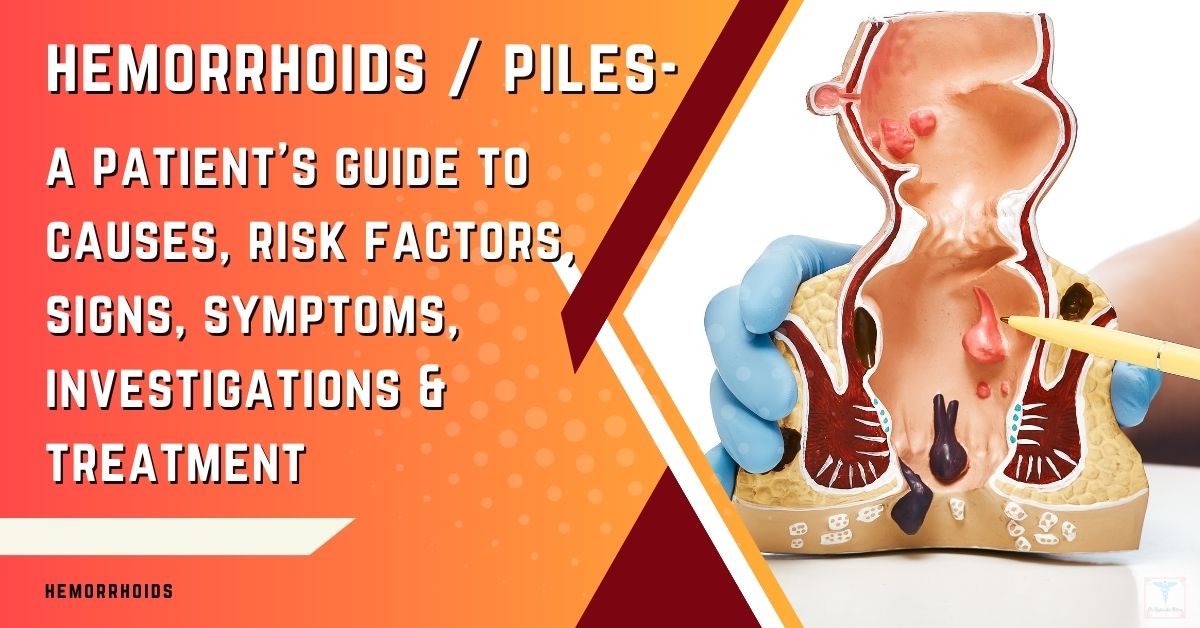
Hemorrhoids, also called piles, are swollen and inflamed veins located in and around the lower rectum and anus. There are two main types of hemorrhoids – internal and external hemorrhoids – which differ in their location, symptoms, severity, and treatment.
Understanding the types of hemorrhoids is important for identifying them and seeking appropriate relief. This article will provide an in-depth overview of internal and external hemorrhoids to help you determine what type you may have.
Types of Hemorrhoids: Highlights & Quick Facts
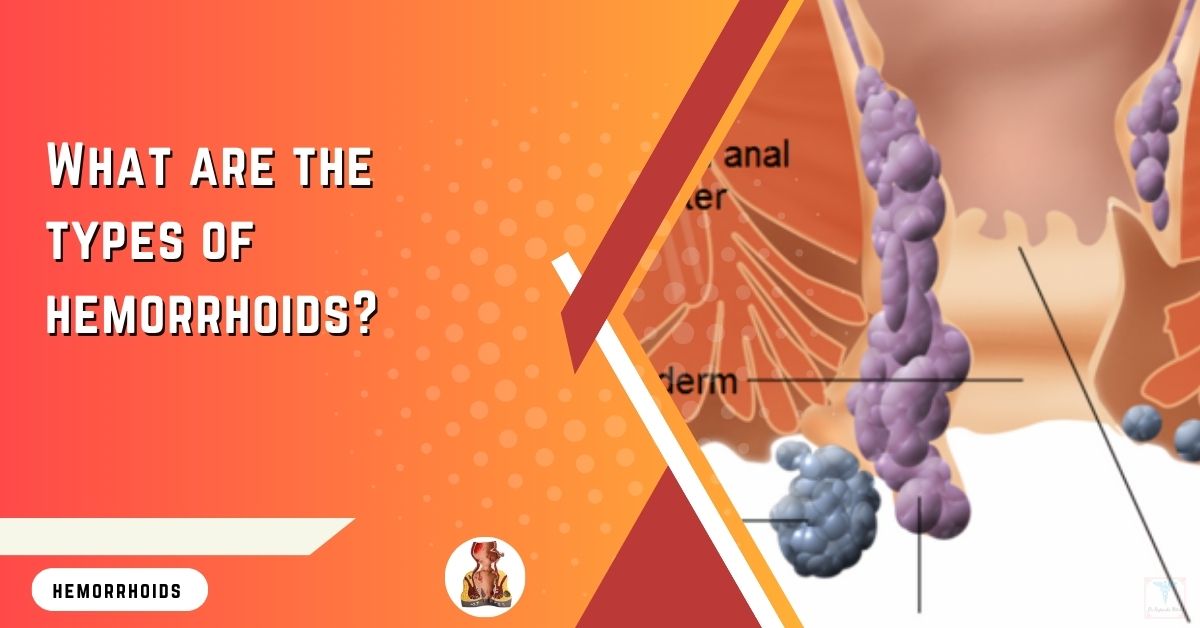
- The two main types of hemorrhoids are internal and external, differentiated by their location in relation to the dentate line.
- Each has distinct causes, symptoms, severity levels, and optimal treatment approaches.
- Recognizing the type of hemorrhoid you may have is important for pursuing appropriate symptom relief.
- Mild cases often resolve with at-home treatments, while severe or persistent hemorrhoids may require office-based procedures or surgery.
- Being aware of the options can help you find an effective solution.
What are Internal Hemorrhoids?
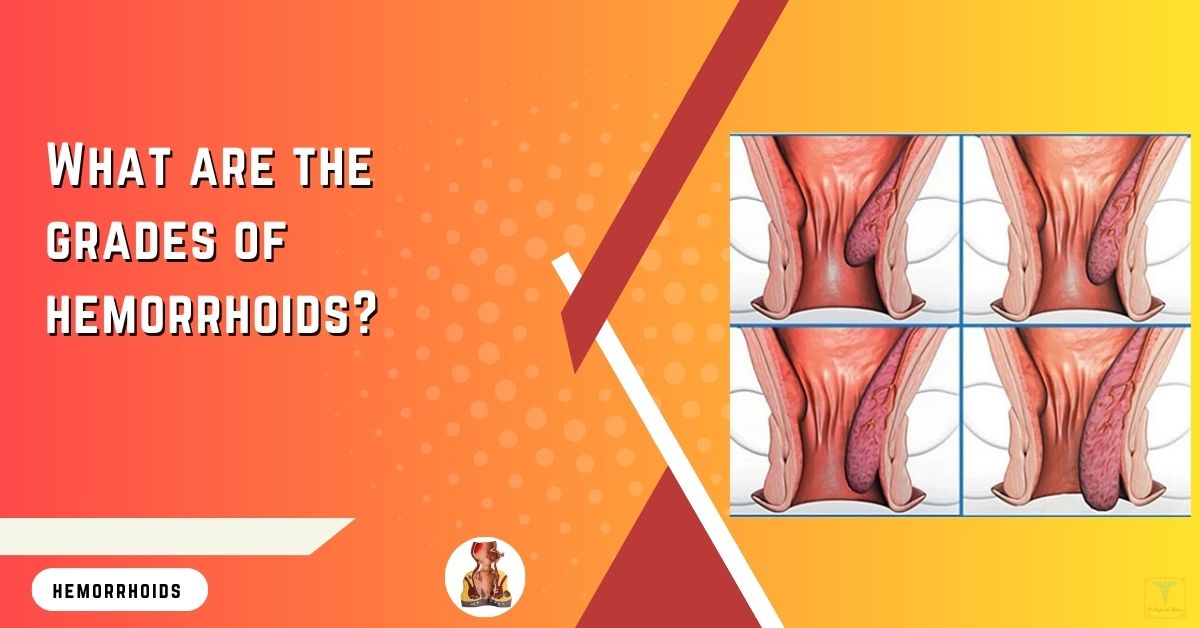
Internal hemorrhoids originate above the dentate line (the junction separating the anus and rectum) and are covered by mucous membrane or epithelial cells. There are four grades:
- Grade 1These hemorrhoids do not protrude out of the anus and are not visible. They may bleed painlessly, often showing up as bright red blood on toilet paper or in the toilet bowl.
- Grade 2These hemorrhoids prolapse out of the anus during bowel movements but retract back inside on their own. They may itch, ache, or bleed.
- Grade 3These hemorrhoids prolapse during bowel movements or other activities but have to be manually pushed back inside. They may bleed, itch, and cause discomfort.
- Grade 4These severely prolapsed hemorrhoids do not retract back in and remain permanently prolapsed outside the anus. They can become thrombosed and cause significant pain and swelling.
Internal hemorrhoids are often painless but can cause bleeding, itching, mucus discharge, and rectal fullness or pressure. More severe prolapsed cases can lead to leakage of feces and difficulty cleaning after a bowel movement.
What Causes Internal Hemorrhoids?
Chronic constipation and straining during bowel movements are major contributing factors as they put excessive pressure on the rectal veins.
Other common causes include pregnancy, aging, chronic diarrhea, low-fiber diets, obesity, and pelvic tumors. Genetics can also play a role by affecting the rectal veins’ integrity.
How are Internal Hemorrhoids Diagnosed?
A physician will perform a visual inspection and digital rectal exam to rule out more serious conditions. Your medical history and description of symptoms will provide important context.
In some cases, additional tests like anoscopy, colonoscopy, or sigmoidoscopy may be recommended to confirm internal hemorrhoids if there is bleeding.
How are Internal Hemorrhoids Treated?
Mild cases can often be treated at home with over-the-counter topical ointments, medicated wipes, pain medication, warm baths, and dietary modifications like increasing fiber.
If these conservative measures do not provide sufficient relief, office-based treatments include rubber band ligation, sclerotherapy injections, cryosurgery, infrared coagulation, and laser surgery.
Severe prolapsed internal hemorrhoids may require surgery if they do not respond to other interventions.
What are External Hemorrhoids?
External hemorrhoids arise below the dentate line and are visible under the skin around the anus. They are covered by anoderm, a type of skin that contains sensory nerves. There are two types:
- ThrombosedThese develop when a blood clot forms in the hemorrhoid, causing severe pain, swelling, and inflammation. They appear as a hard, painful lump and can spontaneously rupture and bleed.
- Non-thrombosedThese appear as a soft mass under the skin and can cause discomfort, swelling, itching, and irritation. Large skin tags may remain after healing.
External hemorrhoids most commonly cause pain, discomfort, and bleeding during bowel movements. The pain may persist for hours before subsiding.
What Causes External Hemorrhoids?
Similar risk factors as internal hemorrhoids can contribute to external hemorrhoids, especially straining during bowel movements and constipation.
Chronic diarrhea or overly aggressive wiping can also be implicated. External hemorrhoids are more prone to irritation from toilet paper, tight clothing, and long periods of sitting.
How are External Hemorrhoids Diagnosed?
A visual inspection of the anus will often confirm the presence of external hemorrhoids. Your medical provider may also perform a digital rectal exam to assess any internal hemorrhoids and rule out other causes of rectal bleeding or prolapse.
Your symptoms and medical history remain key to an accurate diagnosis.
How are External Hemorrhoids Treated?
Most non-thrombosed external hemorrhoids can be managed conservatively with stool softeners, dietary changes, topical ointments, medicated wipes, warm baths, and OTC pain medications.
If these are ineffective, office-based treatments like sclerotherapy, rubber band ligation, or infrared coagulation may be considered.
Thrombosed external hemorrhoids frequently rupture and heal on their own, but surgical excision may be required in persistent cases causing significant pain and swelling.
Final Note From Dr. Rajarshi Mitra
Knowing about the types of Hemorrhoids can help you to understand your existing problem and to seek the right solution. I hope you’ve received all the details. Feel free to drop your further medical queries.

Dr. Rajarshi Mitra is a patient-centered, highly-rated Specialist Laparoscopic Surgeon & Proctologist in Abu Dhabi, offering Advanced Laparoscopic Surgery, Minimally Invasive Proctology & Lasers in Proctology. He is MBBS; MS (Surgery); FACS(USA); FIAGES; FICS (USA); Dip. Lap (France); and Dip. Hernia (APHS) with 20 years of extensive experience in Laparoscopic Surgery, Minimally Invasive Proctology and Fellowship training in Colorectal and Bariatric Surgery.