
Managing an anal fistula during Ramadan requires careful attention to your diet to promote healing and prevent complications. This article, brought to you by Dr. Rajarshi Mitra, a leading surgeon in Abu Dhabi, will guide you through essential dietary adjustments for better wellbeing during the holy month, ensuring you can observe Ramadan safely and comfortably. You’ll learn what to eat, what to avoid, and how to make informed choices to support your recovery. Maintaining the importance of gut health is crucial, as a well-balanced diet rich in fiber can aid digestion and prevent constipation, which may aggravate the condition. Staying hydrated between Iftar and Suhoor is also essential to ensure smooth bowel movements and reduce discomfort. By making mindful food choices, you can support your body’s healing process while observing Ramadan with ease.
Understanding Fistulas and Ramadan Fasting
What is an Anal Fistula?
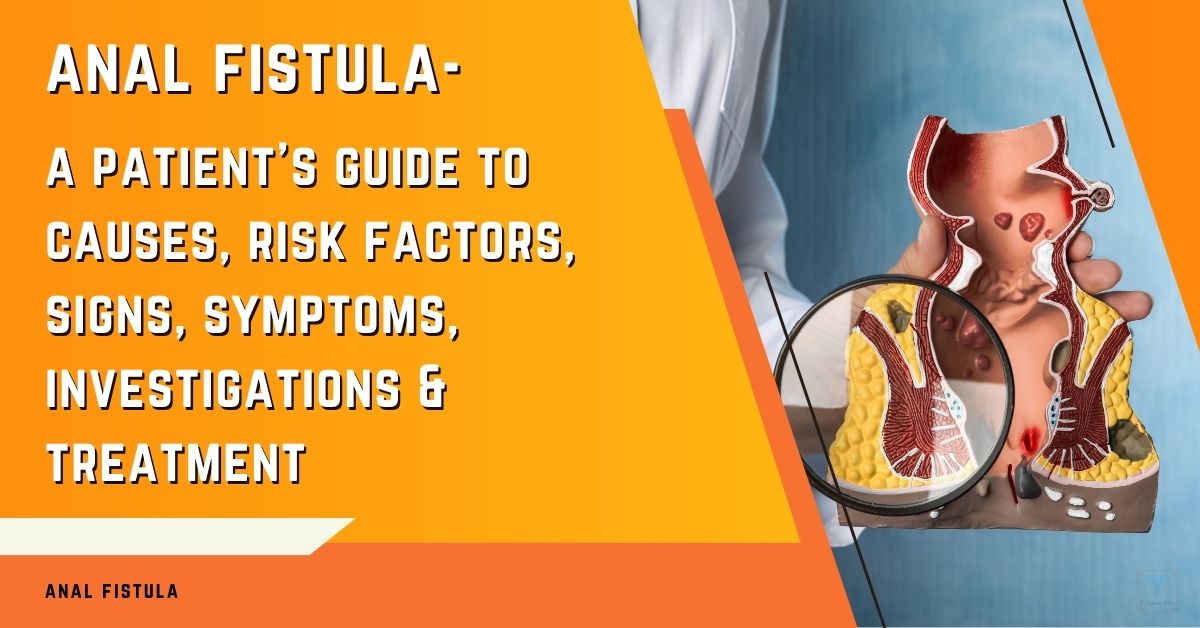
As Dr. Rajarshi Mitra, a Laparoscopic Surgeon in Abu Dhabi, I often explain to my patients that an anal fistula is an abnormal tunnel connecting the anal canal to the skin around the anus. It’s usually the result of a previous or current infection near the anus, leading to pus accumulation and eventually the formation of a tract. Symptoms can include pain, swelling, redness, and drainage of pus or blood.
The Impact of Fasting on Fistulas
Fasting during Ramadan involves abstaining from food and drink from dawn to sunset. This can impact your body in several ways, potentially affecting your fistula. Dehydration, changes in bowel habits (especially constipation), and altered dietary patterns can all influence fistula symptoms and healing. It’s crucial to understand these potential effects before deciding to fast.
Consulting Your Doctor Before Fasting
Before you start fasting during Ramadan with an anal fistula, it is essential to consult with your doctor or a specialist. As Dr. Mitra, I always advise my patients to seek personalized medical advice. Your doctor can assess the severity of your condition, evaluate your overall health, and provide tailored recommendations regarding fasting. They can also adjust your medication or treatment plan if necessary to ensure your safety and wellbeing during Ramadan. This is very important, and must not be ignored. Do not take any chances with your health.
Dietary Guidelines for Managing Fistulas During Ramadan
Diet plays a crucial role in managing fistula symptoms and promoting healing. Here’s a guide to help you make informed food choices during Ramadan:
Foods to Include in Your Ramadan Diet for Fistula Healing
Focus on foods that are easy to digest, promote regular bowel movements, and have anti-inflammatory properties. Here are a few suggestions:
Fiber-Rich Foods
Fiber helps prevent constipation, which can aggravate fistula symptoms. Good sources of fiber include:
- Fruits: Bananas, apples (peeled), pears (peeled), and cooked fruits. Locally, dates (in moderation) can be a good source of fiber and energy for breaking the fast.
- Vegetables: Cooked vegetables like carrots, squash, and green beans.
- Whole Grains: Oatmeal, brown rice, and whole-wheat bread (choose carefully and observe for any discomfort).
Probiotic-Rich Foods
Probiotics promote a healthy gut microbiome, which can aid digestion and reduce inflammation. Consider including:
- Yogurt: Plain, unsweetened yogurt is a good source of probiotics.
- Kefir: A fermented milk drink similar to yogurt.
Anti-Inflammatory Foods
These foods can help reduce inflammation in the body, potentially easing fistula symptoms:
- Fatty Fish: Salmon, tuna, and mackerel are rich in omega-3 fatty acids.
- Turmeric: This spice has potent anti-inflammatory properties. You can add it to your meals or take it as a supplement (consult your doctor first).
Foods to Avoid During Ramadan with a Fistula
Certain foods can irritate your digestive system, worsen constipation, or increase inflammation, which can exacerbate fistula symptoms. Try to avoid or minimize these foods:
Processed Foods
Processed foods are often high in unhealthy fats, sugar, and sodium, and low in fiber. They can contribute to inflammation and constipation.
Spicy Foods
Spicy foods can irritate the digestive tract and worsen fistula symptoms.
Fatty and Fried Foods
These foods are difficult to digest and can contribute to constipation and inflammation.
Sugary Drinks
Sugary drinks can lead to dehydration and constipation.
Ramadan Meal Planning with a Fistula: A Sample Daily Diet
Here’s a sample meal plan to help you manage your diet during Ramadan with a fistula:
Suhoor (Pre-Dawn Meal) Suggestions
- Oatmeal with cooked fruit (like applesauce or stewed pears) and a sprinkle of nuts.
- Yogurt with a banana and a drizzle of honey.
- Whole-wheat toast with avocado and a poached egg.
- Drink plenty of water to stay hydrated throughout the day.
Iftar (Breaking the Fast) Suggestions
- Start with a light soup, such as vegetable soup or chicken broth.
- Grilled fish (like salmon or tuna) with steamed vegetables (like carrots, green beans, or squash).
- Brown rice with lentils and a dollop of yogurt.
- Avoid overeating and choose smaller portions to prevent digestive discomfort.
Between Iftar and Suhoor: Staying Hydrated and Nourished
- Drink plenty of water throughout the evening.
- Snack on small portions of fruit or yogurt.
- Avoid sugary drinks and processed snacks.
Lifestyle Tips for Managing Fistulas During Ramadan
In addition to dietary adjustments, these lifestyle tips can help you manage your fistula during Ramadan:
Staying Hydrated
Drink plenty of water between Iftar and Suhoor to prevent dehydration and constipation.
Maintaining Good Hygiene
Keep the anal area clean and dry. Use gentle soap and water to cleanse the area after bowel movements. Pat dry gently with a soft towel. You can also use baby wipes, but make sure that they are unscented.
Avoiding Constipation
Follow a high-fiber diet and drink plenty of water to prevent constipation. You can also consider using a stool softener (consult your doctor first).
Gentle Exercise
Engage in gentle exercise, such as walking, to promote bowel regularity and overall wellbeing. Avoid strenuous activities that may put pressure on the anal area.
When to Seek Medical Attention During Ramadan
It’s important to monitor your fistula symptoms closely during Ramadan. Seek medical attention immediately if you experience any of the following:
Signs of Infection
Increased redness, swelling, pain, or drainage of pus from the fistula.
Increased Pain or Bleeding
Worsening pain or bleeding from the fistula.
Fever or Chills
A fever or chills may indicate a serious infection.
Urgent Care in Abu Dhabi
If you experience any of the above symptoms in Abu Dhabi, seek immediate medical attention at a reputable hospital or clinic. Some options include:
- Cleveland Clinic Abu Dhabi
- Sheikh Khalifa Medical City
- NMC Specialty Hospital Abu Dhabi
Conclusion: Prioritizing Your Health During Ramadan with a Fistula
Managing an anal fistula during Ramadan requires careful planning and attention to your diet and lifestyle. By following the dietary guidelines outlined in this article, staying hydrated, and seeking medical attention when needed, you can observe Ramadan safely and comfortably. As Dr. Rajarshi Mitra, I urge you to prioritize your health and consult with your doctor before making any significant changes to your diet or treatment plan.
Remember, this information is for general knowledge and does not substitute professional medical advice. Always consult with your doctor for personalized recommendations. Do you have any personal tips that have helped you manage your fistula during Ramadan? Are there any specific food items that have helped or hurt your situation? Feel free to share your experiences in the comments below!
Website: https://drrajarshimitra.com/appointment/
Phone: +971-509542791
Email: surgeon@drrajarshimitra.com
Address: https://openmylink.in/CAubp
NMC Specialty Hospital, Department of Surgery, Zayed The First St – Zone 1 – Abu Dhabi – United Arab Emirates.
By Dr. Rajarshi Mitra, Specialist Laparoscopic Surgeon, Abu Dhabi, UAE
Disclaimer: This article is intended for informational purposes only and should not be considered medical advice. Always consult with a qualified healthcare professional for diagnosis and treatment.

Dr. Rajarshi Mitra is a patient-centered, highly-rated Specialist Laparoscopic Surgeon & Proctologist in Abu Dhabi, offering Advanced Laparoscopic Surgery, Minimally Invasive Proctology & Lasers in Proctology. He is MBBS; MS (Surgery); FACS(USA); FIAGES; FICS (USA); Dip. Lap (France); and Dip. Hernia (APHS) with 20 years of extensive experience in Laparoscopic Surgery, Minimally Invasive Proctology and Fellowship training in Colorectal and Bariatric Surgery.