Experiencing rectal bleeding during Ramadan can be alarming, but it’s important to separate fact from fiction. This article, from Dr. Rajarshi Mitra, a Laparoscopic Surgeon in Abu Dhabi, clarifies common misconceptions surrounding rectal bleeding during Ramadan, helping you understand potential causes, when to seek medical attention, and how to manage the condition while observing your religious duties. Read on to learn more about the realities of rectal bleeding during Ramadan and how to address it effectively.
Understanding Rectal Bleeding: Separating Fact from Fiction During Ramadan

Ramadan is a time of spiritual reflection and devotion for Muslims worldwide. However, health concerns don’t take a break during this period. Rectal bleeding, the passage of blood from the anus, can be a worrying symptom, especially when fasting. Let’s debunk some common myths surrounding this issue.
What is Rectal Bleeding? Debunking Common Myths
Rectal bleeding can range from a small amount of blood noticed on toilet paper to a more significant flow. The color can vary from bright red to dark maroon, depending on the source of the bleeding in the digestive tract.
Myth 1: Any Rectal Bleeding During Ramadan is Normal
Fact: While some causes of rectal bleeding are minor and easily treatable, rectal bleeding is *never* truly “normal.” It always warrants investigation to determine the underlying cause. Don’t dismiss it simply because it occurs during Ramadan. It’s crucial to identify the reason behind the bleeding to ensure appropriate management.
Myth 2: Rectal Bleeding Always Means Something Serious
Fact: Fortunately, not all rectal bleeding indicates a life-threatening condition. Common causes like hemorrhoids and anal fissures are often the culprits. However, it’s essential to rule out more serious conditions such as colorectal polyps, inflammatory bowel disease (IBD), or, rarely, cancer. A consultation with a specialist is necessary to determine the exact cause.
Myth 3: Fasting Directly Causes Rectal Bleeding
Fact: Fasting itself doesn’t directly *cause* rectal bleeding. However, the changes in diet and hydration during Ramadan can exacerbate pre-existing conditions. For instance, reduced water intake can lead to constipation, which can worsen hemorrhoids and anal fissures, leading to bleeding. The key is to understand how Ramadan practices might indirectly influence your condition.
Common Causes of Rectal Bleeding During Ramadan

Several factors can contribute to rectal bleeding, especially during Ramadan. Understanding these causes can help you take preventive measures and seek timely treatment.
Hemorrhoids: A Frequent Culprit
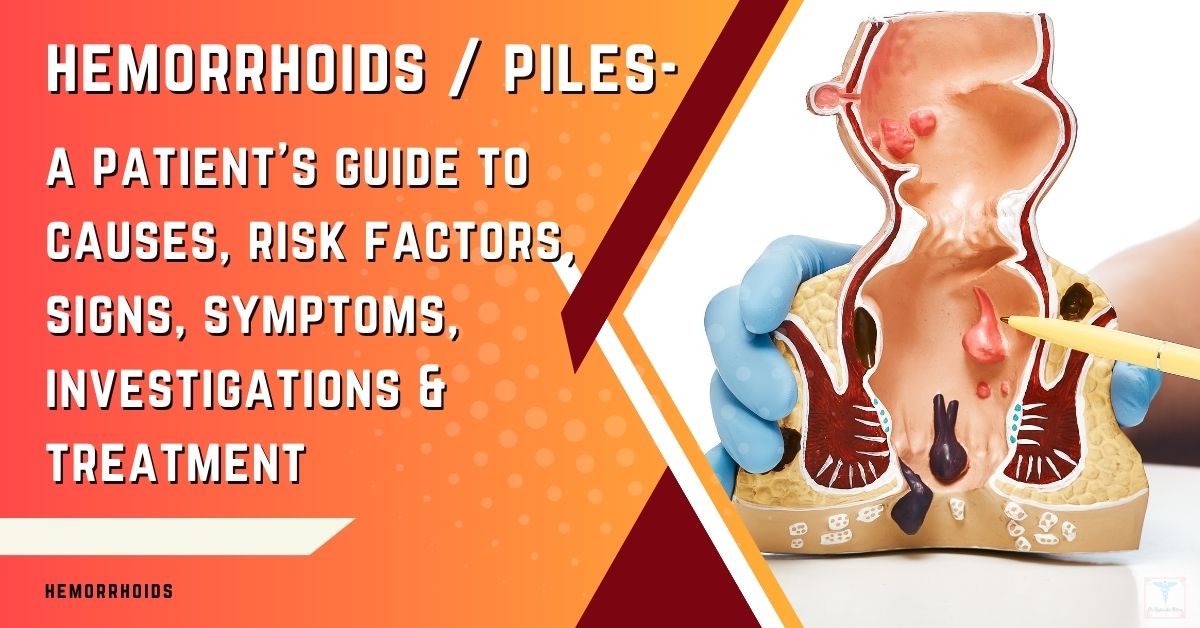
Hemorrhoids, swollen veins in the anus and rectum, are one of the most common causes of rectal bleeding. Straining during bowel movements, which can be more frequent due to dietary changes during Ramadan, can irritate hemorrhoids and cause them to bleed. Symptoms include painless bleeding during bowel movements, itching, and discomfort around the anus.
Anal Fissures: Painful Tears
Anal fissures are small tears in the lining of the anus, often caused by passing hard stools. These fissures can cause sharp pain during bowel movements and can result in bright red blood on the toilet paper. Constipation, a common issue during Ramadan due to changes in dietary habits, can contribute to the development of anal fissures.
Dietary Changes During Ramadan and Their Impact
The shift in eating patterns during Ramadan can significantly affect bowel habits. Consuming large meals during Iftar (the evening meal) and Suhoor (the pre-dawn meal), coupled with reduced fluid intake during fasting hours, can lead to constipation and increased pressure on the rectal area. Traditional Ramadan dishes, which are sometimes high in fat and low in fiber, can also contribute to digestive issues.
Other Potential Causes: When to Be Concerned
While hemorrhoids and anal fissures are common, rectal bleeding can sometimes indicate more serious underlying conditions, including: colorectal polyps, inflammatory bowel disease (IBD), or even colorectal cancer. It is important to seek medical attention if the bleeding is persistent, accompanied by pain, or associated with changes in bowel habits. Identifying signs of serious rectal issues early can lead to prompt diagnosis and more effective treatment options.
- Colorectal Polyps: These growths in the colon or rectum can bleed, and some can eventually develop into cancer.
- Inflammatory Bowel Disease (IBD): Conditions like Crohn’s disease and ulcerative colitis can cause inflammation and bleeding in the digestive tract.
- Diverticulosis: Small pouches that form in the lining of the colon can sometimes bleed.
- Colorectal Cancer: Although less common, rectal bleeding can be a symptom of colorectal cancer.
It’s crucial to consult with a healthcare professional to rule out these more serious causes.
Managing Rectal Bleeding Safely During Ramadan
Managing rectal bleeding during Ramadan involves a combination of dietary adjustments, lifestyle changes, and appropriate medical care. Here are some practical steps you can take:
Dietary Recommendations: Fiber and Hydration
Increasing your fiber intake and staying well-hydrated are crucial for maintaining regular bowel movements and preventing constipation. Include fiber-rich foods in your Iftar and Suhoor meals, such as:
- Fruits: Dates, figs, apples, and bananas
- Vegetables: Leafy greens, broccoli, and carrots
- Whole Grains: Oats, brown rice, and whole-wheat bread
- Legumes: Lentils, chickpeas, and beans
Drink plenty of water between Iftar and Suhoor to stay hydrated. Aim for at least 8 glasses of water. You can also include hydrating fruits and vegetables like watermelon and cucumber in your diet.
Lifestyle Adjustments to Minimize Bleeding
Making a few lifestyle adjustments can also help minimize rectal bleeding:
- Avoid Straining During Bowel Movements: Take your time and avoid straining, as this can worsen hemorrhoids and anal fissures.
- Maintain Regular Exercise: Regular physical activity can promote healthy bowel movements. Aim for at least 30 minutes of moderate exercise most days of the week.
- Practice Good Hygiene: Gently clean the anal area with mild soap and water after each bowel movement. Avoid using harsh soaps or scented wipes, which can irritate the area.
Over-the-Counter Treatments: What’s Safe and Effective?
Several over-the-counter treatments can provide relief from minor rectal bleeding caused by hemorrhoids and anal fissures:
- Hemorrhoid Creams and Suppositories: These products contain ingredients like hydrocortisone or witch hazel, which can help reduce inflammation and relieve itching.
- Stool Softeners: These can help prevent constipation and make bowel movements easier to pass.
- Sitz Baths: Soaking in warm water for 10-15 minutes several times a day can help soothe the anal area and promote healing.
Important Note: Always consult with your doctor or pharmacist before using any over-the-counter medications, especially if you have underlying health conditions or are taking other medications.
The Islamic Perspective: Seeking Medical Care While Fasting
Islam encourages seeking medical treatment when necessary. It is permissible to break your fast if a medical condition requires it. If you are experiencing significant rectal bleeding or need to undergo diagnostic procedures or treatment, consult with a knowledgeable religious scholar or Imam for guidance on how to balance your religious obligations with your health needs. Generally, if a medical professional advises breaking the fast for treatment, it is permissible, and the missed fasts can be made up later.
When to Seek Immediate Medical Attention in Abu Dhabi for Rectal Bleeding
While many cases of rectal bleeding are mild and self-limiting, certain symptoms warrant immediate medical attention. Knowing when to seek help can prevent complications and ensure timely treatment.
Warning Signs: When Bleeding is a Medical Emergency
Seek immediate medical attention if you experience any of the following:
- Large amounts of rectal bleeding
- Dizziness or lightheadedness
- Weakness or fatigue
- Abdominal pain
- Changes in bowel habits (e.g., persistent diarrhea or constipation)
- Blood clots in the stool
- Black, tarry stools (melena) – this indicates bleeding higher up in the digestive tract
Finding a Specialist in Abu Dhabi: Dr. Rajarshi Mitra and Colorectal Health
If you are concerned about rectal bleeding, it’s essential to consult with a qualified colorectal surgeon or gastroenterologist in Abu Dhabi. Dr. Rajarshi Mitra is a Laparoscopic Surgeon in Abu Dhabi, UAE, and a Fellow of the American College of Surgeons (FACS) with extensive experience in treating colorectal conditions. With over 550 Five Star Google Reviews from patients, Dr. Mitra is a trusted expert in the field. You can schedule a consultation to discuss your symptoms and receive a comprehensive evaluation.
Finding the right specialist is crucial for accurate diagnosis and effective treatment. Look for a doctor with expertise in colorectal conditions and a reputation for providing compassionate and patient-centered care. A skilled surgeon can accurately diagnose the cause of your rectal bleeding and recommend the most appropriate treatment plan.
Diagnostic Procedures: What to Expect
To determine the cause of rectal bleeding, your doctor may recommend one or more of the following diagnostic procedures:
- Anoscopy: A visual examination of the anus and lower rectum using a small, lighted scope.
- Sigmoidoscopy: A visual examination of the rectum and lower colon using a flexible, lighted scope.
- Colonoscopy: A visual examination of the entire colon using a flexible, lighted scope. This is the most comprehensive test for evaluating rectal bleeding and detecting polyps or other abnormalities.
- Fecal Occult Blood Test (FOBT): A test to detect hidden blood in the stool.
These procedures are generally safe and well-tolerated. Your doctor will explain the procedure in detail and answer any questions you may have.
Frequently Asked Questions About Rectal Bleeding During Ramadan
Here are some frequently asked questions about rectal bleeding during Ramadan:
Will My Fast Be Affected If I Seek Treatment?
Seeking medical treatment is essential for your health, and Islam allows for breaking the fast if necessary to receive medical care. Consult with a religious scholar for specific guidance based on your situation.
Can I Use Suppositories While Fasting?
The use of suppositories during fasting is a matter of religious interpretation. Some scholars permit it, while others advise against it. It’s best to consult with a knowledgeable religious authority for guidance.
Are There Any Home Remedies That Are Safe to Use During Ramadan?
Some safe home remedies include:
- Sitz baths: Soaking in warm water can soothe the anal area.
- Gentle cleaning: Use mild soap and water to clean the area after bowel movements.
- Dietary adjustments: Increase fiber and water intake during non-fasting hours.
Always consult with your doctor before trying any new home remedies.
Conclusion: Prioritizing Your Health During Ramadan
Rectal bleeding during Ramadan can be concerning, but understanding the facts and seeking appropriate medical care can help you manage the condition effectively while fulfilling your religious obligations. Remember to prioritize your health, listen to your body, and consult with healthcare professionals for personalized advice and treatment.
Key Takeaways: Addressing Rectal Bleeding Responsibly
- Rectal bleeding is never truly “normal” and warrants investigation.
- Common causes include hemorrhoids and anal fissures, but more serious conditions should be ruled out.
- Dietary and lifestyle adjustments can help manage minor rectal bleeding.
- Seek immediate medical attention for significant bleeding or other concerning symptoms.
- Consult with a healthcare professional in Abu Dhabi for personalized care and treatment.
Questions to Consider and Next Steps
If you’ve experienced rectal bleeding during Ramadan, consider the following:
- Have you made significant changes to your diet or hydration habits?
- Are you experiencing any other symptoms, such as abdominal pain or changes in bowel habits?
- Have you had a colonoscopy or other colorectal screening in the past?
Schedule a consultation with Dr. Rajarshi Mitra or another qualified colorectal specialist in Abu Dhabi to discuss your concerns and receive appropriate evaluation and treatment. Don’t hesitate to seek medical advice – your health is a priority, especially during this sacred time.
Website: https://drrajarshimitra.com/appointment/
Phone: +971-509542791
Email: surgeon@drrajarshimitra.com
Address: https://openmylink.in/CAubp
NMC Specialty Hospital, Department of Surgery, Zayed The First St – Zone 1 – Abu Dhabi – United Arab Emirates.
By Dr. Rajarshi Mitra, Specialist Laparoscopic Surgeon, Abu Dhabi, UAE
Disclaimer: This article is intended for informational purposes only and should not be considered medical advice. Always consult with a qualified healthcare professional for diagnosis and treatment.

Dr. Rajarshi Mitra is a patient-centered, highly-rated Specialist Laparoscopic Surgeon & Proctologist in Abu Dhabi, offering Advanced Laparoscopic Surgery, Minimally Invasive Proctology & Lasers in Proctology. He is MBBS; MS (Surgery); FACS(USA); FIAGES; FICS (USA); Dip. Lap (France); and Dip. Hernia (APHS) with 20 years of extensive experience in Laparoscopic Surgery, Minimally Invasive Proctology and Fellowship training in Colorectal and Bariatric Surgery.