
Quick Answer: Understanding Gallbladder Symptoms
Gallbladder symptoms typically manifest as sudden, intense pain in the upper right abdomen (just below the ribs), often radiating to the right shoulder or back. This pain usually occurs after eating fatty meals and may last from minutes to several hours. Other common symptoms include nausea, vomiting, bloating, indigestion, and in severe cases, fever and jaundice (yellowing of skin and eyes). Women are particularly susceptible due to hormonal factors. If you experience severe abdominal pain, high fever, or jaundice, seek immediate medical attention. As a specialist laparoscopic surgeon in Abu Dhabi with over 20 years of experience, I’ve helped thousands of patients recognize these symptoms early and receive appropriate treatment. Continue reading for detailed information about gallbladder symptoms, when to seek emergency care, and treatment options available in Abu Dhabi.
Specialist Laparoscopic Surgeon & Proctologist | Fellow of the American College of Surgeons | 20+ Years Experience
Last Reviewed: January 11, 2026
Hello, I’m Dr. Rajarshi Mitra, a specialist laparoscopic surgeon practicing in Abu Dhabi for over 20 years. As a Fellow of the American College of Surgeons (FACS), I’ve performed thousands of gallbladder surgeries and helped countless patients navigate the often confusing symptoms of gallbladder disease.
Understanding gallbladder symptoms is crucial because early recognition can prevent serious complications like acute cholecystitis, bile duct obstruction, and pancreatitis. In my practice at NMC Specialty Hospital in Abu Dhabi, I see many patients who delayed seeking care because they didn’t recognize their symptoms as gallbladder-related.
This comprehensive guide will help you: identify gallbladder symptoms accurately, understand what these symptoms mean for your health, know when to seek emergency care versus routine consultation, and learn about effective treatment options available in Abu Dhabi.
⚠️ When to Seek Emergency Care in Abu Dhabi
Call 998 immediately if you experience any of these symptoms:
- Severe, unrelenting abdominal pain lasting more than 6 hours (especially upper right abdomen)
- High fever (above 38.3°C / 101°F) with chills and abdominal pain
- Yellowing of skin or eyes (jaundice) – indicates bile duct obstruction
- Persistent vomiting or inability to keep fluids down
- Rapid heartbeat, dizziness, or confusion – signs of serious infection
- Pale or clay-colored stools with dark urine – bile blockage signs
🚨 UAE Emergency Number: 998
For non-emergency gallbladder consultation: +971-50-954-2791
Don’t wait if you have these symptoms – gallbladder emergencies can become life-threatening within hours.
What is the Gallbladder and Why Does It Matter?
Before we dive into symptoms, understanding your gallbladder’s function helps you recognize when something goes wrong. Many patients tell me they never thought about this small organ until it started causing problems.
The Gallbladder’s Critical Role in Digestion
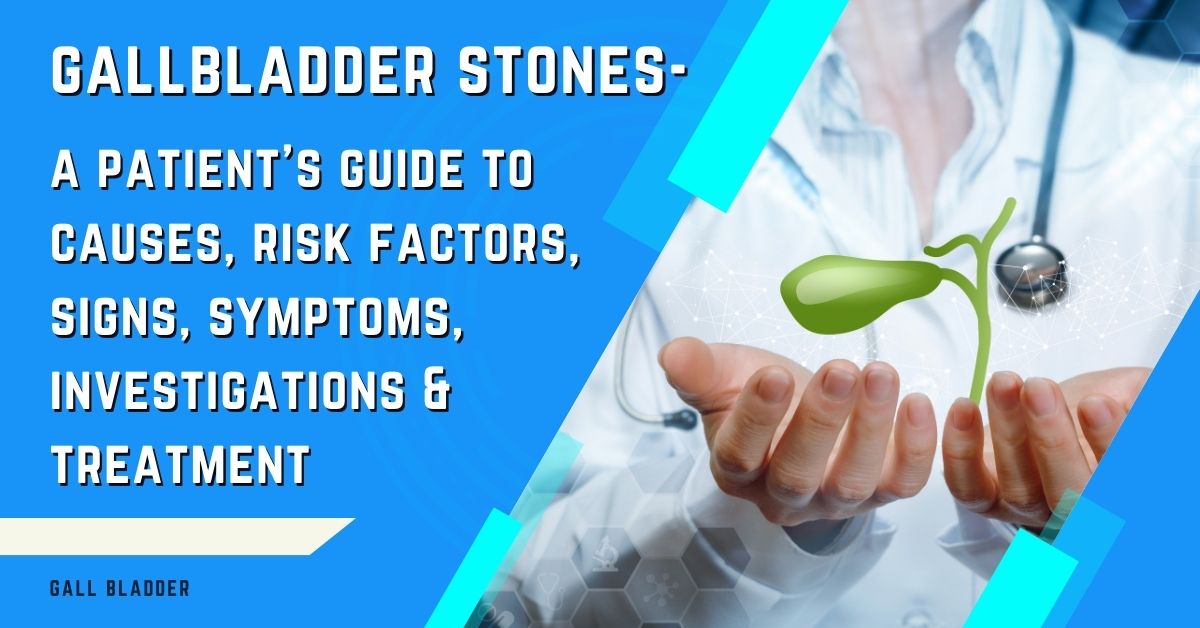
Your gallbladder is a small, pear-shaped organ tucked beneath your liver on the right side of your upper abdomen. Think of it as a storage reservoir for bile – a greenish-yellow digestive fluid your liver continuously produces.
Here’s how it works: When you eat, especially foods containing fats, your gallbladder receives a signal to contract. It then releases stored bile through the common bile duct into your small intestine, where bile breaks down fats into smaller particles your body can absorb. Without adequate bile release, you’d struggle to digest fatty foods and absorb essential fat-soluble vitamins (A, D, E, and K).
In Abu Dhabi’s diverse culinary landscape – from traditional Emirati dishes rich in lamb and rice to international cuisines – your gallbladder works constantly to help you enjoy these foods comfortably.
Why Gallbladder Problems Develop
The most common cause of gallbladder symptoms is gallstones – hardened deposits that form when bile components crystallize. According to the National Institute of Diabetes and Digestive and Kidney Diseases, gallstones affect 10-15% of the adult population, though many remain asymptomatic.
Gallstones can range from tiny grains of sand to golf ball-sized masses. When these stones block bile ducts, they trigger the intense pain and symptoms we’ll discuss shortly.
Other causes include:
- Cholecystitis – inflammation of the gallbladder wall, often from prolonged stone obstruction
- Biliary dyskinesia – poor gallbladder contraction without stones present
- Biliary sludge – thick bile that can eventually form stones
- Infection or tumors – less common but serious causes
Recognizing Gallbladder Symptoms: A Detailed Guide
Gallbladder symptoms can range from subtle warning signs to acute emergencies. Learning to recognize these patterns can help you seek timely care and avoid complications.
Classic Gallbladder Pain (Biliary Colic): The Hallmark Symptom
After performing thousands of gallbladder surgeries, I can tell you that biliary colic – the medical term for gallbladder pain – has distinctive characteristics that set it apart from other abdominal complaints.
Location: Where You’ll Feel Gallbladder Pain
The pain typically strikes in the upper right abdomen, just below your rib cage. This is exactly where your gallbladder sits, nestled under your liver. However, gallbladder pain is notorious for radiating to other areas:
- Right shoulder blade or shoulder tip – This referred pain occurs because the phrenic nerve (which senses gallbladder irritation) also supplies sensation to the shoulder region
- Upper back or between shoulder blades – Many patients initially think they’ve strained a muscle
- Center of upper abdomen (epigastrium) – Right below your breastbone, sometimes mimicking heartburn
Quality: What Gallbladder Pain Feels Like
Patients describe gallbladder pain in various ways, but common descriptions include:
- Sharp, stabbing pain – Like someone is poking you with a knife
- Deep, intense ache – A gnawing sensation that won’t quit
- Cramping or gripping pain – Like a muscle spasm you can’t relieve
- Constant, unrelenting pressure – Building in intensity over minutes
What makes gallbladder pain distinctive is that it typically doesn’t change with body position. Unlike muscle pain or gas pain, you can’t find a comfortable position to ease it.
Timing and Triggers: When Gallbladder Pain Strikes
Classic trigger: Fatty meals are the most common provocation. That rich dinner at your favorite Abu Dhabi restaurant – lamb machboos, shawarma with tahini, or even a creamy pasta – can trigger symptoms within 30 minutes to 2 hours after eating.
Why fatty foods trigger symptoms: Fat in your intestine signals your gallbladder to contract strongly. If stones block the bile duct during contraction, pressure builds rapidly, causing intense pain.
Other common patterns:
- Nighttime attacks – Many patients wake up 1-3 hours after their evening meal with severe pain
- Post-fasting attacks – Interestingly, attacks can occur when you first eat after prolonged fasting (particularly relevant during Ramadan)
- Stress-related episodes – While stress doesn’t cause gallstones, it can trigger attacks in those already affected
Duration: How Long Gallbladder Pain Lasts
A typical biliary colic episode lasts anywhere from 30 minutes to several hours. The pain usually reaches peak intensity within 15-30 minutes, plateaus, then gradually subsides as the stone shifts position or the gallbladder relaxes.
Red flag: If pain persists beyond 6 hours or intensifies progressively, this suggests acute cholecystitis (gallbladder inflammation) requiring immediate medical attention.
Understanding the Difference: Common Pain vs. Severe Pain Requiring Emergency Care
Not all gallbladder pain requires an emergency room visit, but knowing the difference can be lifesaving.
Routine biliary colic typically:
- Resolves within a few hours
- Allows you to function (though uncomfortably)
- Occurs intermittently with pain-free intervals between attacks
- Responds somewhat to pain medications
Emergency symptoms requiring immediate care:
- Unrelenting pain lasting >6 hours
- Fever and chills with abdominal pain
- Vomiting that prevents keeping any fluids down
- Jaundice (yellowing of skin/eyes)
- Rapid heartbeat or confusion
Associated Digestive Symptoms: Beyond the Pain
Gallbladder problems don’t exist in isolation. They disrupt your entire digestive process, leading to a cascade of uncomfortable symptoms.
Nausea and Vomiting
During a gallbladder attack, nausea is almost universal. About 70% of my patients report feeling nauseated during pain episodes, and roughly half actually vomit. The vomiting doesn’t relieve the pain (unlike food poisoning), which frustrates many patients.
Bloating and Excessive Gas
When bile flow is compromised, fat digestion suffers. Undigested fats reach your colon where bacteria ferment them, producing gas, bloating, and that uncomfortable “stuffed” feeling.
This is particularly troublesome after meals high in fat – that post-dinner bloating that makes you want to loosen your belt is a common complaint.
Chronic Indigestion and Heartburn-Like Symptoms
Gallbladder disease often mimics acid reflux. Patients describe:
- Burning sensation in the upper chest
- Sour taste in the mouth
- Burping and belching
- Fullness after small meals
Many patients have tried antacids or reflux medications without relief before discovering their gallbladder was the culprit.
Changes in Bowel Habits
Both diarrhea and constipation can occur with gallbladder problems:
- Diarrhea – More common, occurring in about 20% of patients due to bile acids irritating the colon
- Constipation – Can result from reduced bile flow affecting intestinal motility
- Pale or clay-colored stools – A critical sign of bile duct obstruction requiring immediate attention
- Dark, tea-colored urine – Also indicates bile backup into the bloodstream
Systemic Symptoms: When Your Whole Body Reacts
Severe gallbladder problems don’t stay localized – they trigger body-wide responses that signal serious complications.
Fever and Chills: Signs of Infection
If your gallbladder pain is accompanied by fever (especially above 38.3°C / 101°F) and chills, this indicates acute cholecystitis – inflammation of the gallbladder that’s often infected.
This is a surgical emergency. The infected gallbladder can rupture, causing life-threatening peritonitis (abdominal infection). When patients present with fever and gallbladder pain, I typically admit them for immediate treatment and often schedule urgent surgery.
Jaundice: The Yellow Warning Sign
Jaundice – yellowing of your skin and the whites of your eyes – occurs when bile cannot drain from your gallbladder or liver into your intestine. Instead, bilirubin (a yellow pigment in bile) backs up into your bloodstream.
This is always serious and requires immediate evaluation. Causes include:
- Gallstone blocking the common bile duct
- Inflammation compressing the bile duct
- Cholangitis (infection of the bile ducts)
I cannot stress enough: if you notice jaundice, go to the emergency department or call 998 in Abu Dhabi immediately.
Gallbladder Symptoms in Women: Special Considerations
Women face unique challenges when it comes to gallbladder disease. In my practice, approximately 65-70% of gallbladder surgery patients are women, and this isn’t coincidental.
Why Women Are at Higher Risk
Multiple factors increase gallstone formation in women:
Hormonal Influences
Estrogen increases cholesterol in bile and decreases gallbladder contractions – both promote stone formation. This is why risk increases with:
- Pregnancy – Hormone surges during pregnancy significantly increase risk
- Hormone replacement therapy – Post-menopausal hormone therapy doubles gallstone risk
- Birth control pills – Oral contraceptives moderately increase risk, especially in the first few years of use
Reproductive Factors
- Multiple pregnancies – Each pregnancy increases cumulative risk
- Younger age at first pregnancy – Earlier first pregnancy correlates with higher lifetime risk
Age and Demographics
The classic “4 F’s” in gallstone disease epidemiology are: Female, Forty (or over), Fertile, and Fair-skinned. However, in the UAE’s diverse population, I see gallbladder disease across all ethnic backgrounds and age groups.
How Symptoms May Differ in Women
Women often experience gallbladder symptoms differently than men:
- More subtle pain – Women may have milder, more diffuse abdominal discomfort that’s easily dismissed as “indigestion”
- Higher likelihood of nausea – Nausea and vomiting tend to be more prominent in women
- Symptoms during menstruation – Some women notice symptom flares during their menstrual cycle
- Confusion with gynecological issues – Right-sided pain can mimic ovarian problems
Special Considerations for Women in Abu Dhabi
In my Abu Dhabi practice, I’ve noticed unique considerations for women patients:
- Ramadan fasting considerations – The prolonged fasting followed by large iftar meals can trigger symptoms in susceptible women
- Family decision-making – In many families, women may delay seeking care to prioritize family responsibilities
- Pregnancy planning – We often discuss timing surgery around pregnancy plans
Early Warning Signs: Recognizing a “Bad Gallbladder” Before It Gets Worse
Not everyone experiences dramatic gallbladder attacks. Many patients have subtle symptoms for months or years before seeking help. Learning to recognize these early warning signs can prevent progression to serious complications.
Subtle Symptoms Often Ignored
Recurring Post-Meal Discomfort
If you consistently feel uncomfortable after eating – especially after fatty meals – this may be your gallbladder’s early warning system. The discomfort might be:
- Vague upper abdominal “fullness” or pressure
- Mild aching that comes and goes
- Sensation of food “sitting heavy” in your stomach
Increased Episodes of “Indigestion”
Many patients tell me they’ve been taking antacids daily for months. When antacids don’t help, the problem often lies with your gallbladder, not stomach acid.
Unexplained Nausea or Loss of Appetite
Subtle, persistent nausea – especially in the afternoon or evening – can indicate early gallbladder dysfunction. Some patients notice they’ve lost interest in foods they once enjoyed, particularly rich or fatty dishes.
Food Intolerances That Develop Suddenly
If you suddenly find yourself unable to tolerate foods you previously enjoyed – fried foods, creamy sauces, certain meats – your gallbladder may be struggling.
When to Act on Early Symptoms
Don’t wait for severe symptoms. If you experience recurring digestive issues, especially:
- Symptoms specifically after fatty meals
- Right upper abdominal discomfort (even if mild)
- Symptoms occurring 2-3 times per month or more
Schedule a consultation with a specialist. Early evaluation often reveals gallstones before complications develop, allowing for planned surgery rather than emergency intervention.
Understanding Gallbladder Attacks: A Medical Emergency
A gallbladder attack represents an acute escalation of symptoms that requires immediate attention. Having treated hundreds of patients in emergency situations, I can tell you that recognizing an attack early and seeking prompt care makes a significant difference in outcomes.
Anatomy of a Gallbladder Attack
A gallbladder attack (acute biliary colic) occurs when a gallstone temporarily or completely blocks your cystic duct or common bile duct. Think of it like a dam suddenly blocking a river – pressure builds rapidly upstream.
The sequence typically unfolds like this:
- Triggering event – Usually eating a fatty meal
- Gallbladder contraction – Your gallbladder contracts to release bile
- Stone obstruction – A gallstone blocks the duct exit
- Pressure buildup – Bile cannot escape, causing intense pain
- Symptom cascade – Pain triggers nausea, vomiting, and sweating
Recognizing Attack Characteristics
Pain quality and intensity:
- Sudden onset – Goes from zero to severe in minutes
- Excruciating intensity – Many patients describe it as “the worst pain of their life”
- Steady, unrelenting – Unlike cramping that comes in waves
- Makes movement painful – Deep breathing or position changes hurt
Duration and pattern:
- Lasts minimum 30 minutes, often 2-6 hours
- May resolve suddenly when stone shifts position
- If pain persists >6 hours, likely indicates acute cholecystitis
Associated symptoms during an attack:
- Severe nausea and vomiting
- Profuse sweating
- Restlessness – inability to find comfortable position
- Sometimes fever and chills (ominous sign suggesting infection)
What To Do During a Gallbladder Attack
Immediate actions:
- Seek emergency care immediately – Don’t wait to see if it passes. In Abu Dhabi, call 998 or go to the nearest emergency department
- Avoid eating or drinking – Food and drink stimulate more gallbladder contraction, worsening pain
- Don’t self-medicate – Avoid taking aspirin or NSAIDs which can complicate treatment
- Note timing – Track when symptoms started and what you ate – this information helps your doctor
What emergency treatment involves:
- Pain relief medication (usually intravenous)
- Anti-nausea medication
- Intravenous fluids
- Blood tests to check for complications
- Ultrasound imaging
- Often admission for observation and urgent surgery
What Happens If You Ignore Gallbladder Symptoms?
Some patients ask me, “What if I just live with the symptoms?” This is dangerous thinking. Untreated gallbladder disease progresses and can lead to life-threatening complications.
Serious Complications of Delayed Treatment
Acute Cholecystitis
Persistent bile duct obstruction leads to gallbladder inflammation and often infection. This condition requires hospitalization and typically urgent surgery. Without treatment, the gallbladder can develop gangrene (tissue death) or even rupture.
Cholangitis
When stones obstruct the common bile duct, bacteria can ascend from the intestine and cause a severe bile duct infection. This is a life-threatening emergency requiring immediate antibiotics and bile duct drainage.
Gallstone Pancreatitis
If a stone blocks the pancreatic duct (which shares a common channel with the bile duct), it triggers acute pancreatitis – inflammation of the pancreas. This can be severe, requiring intensive care treatment.
Gallbladder Cancer
While rare, chronic gallbladder inflammation from long-standing stones increases risk of gallbladder cancer. This underscores why addressing symptomatic gallstones promptly is important.
Quality of Life Impact
Beyond medical complications, untreated gallbladder disease significantly affects quality of life:
- Dietary restrictions – Fear of triggering attacks leads many to avoid favorite foods
- Social limitations – Difficulty dining out with family and friends
- Work disruption – Unpredictable pain episodes affect job performance
- Sleep disturbance – Nighttime attacks disrupt rest
- Anxiety – Constant worry about when the next attack will strike
Diagnostic Process: How We Confirm Gallbladder Problems
Accurate diagnosis is essential before recommending treatment. My evaluation follows a systematic approach combining clinical assessment with modern imaging.
Clinical Evaluation
Medical History
I spend significant time understanding your symptom pattern:
- When do symptoms occur? (timing relative to meals)
- What makes symptoms worse or better?
- How long do episodes last?
- Have symptoms changed over time?
- Any previous abdominal surgeries?
- Family history of gallstones?
- For women: pregnancy history, hormone medications
Physical Examination
Key examination findings include:
- Murphy’s sign – Increased pain when I press on the gallbladder area during deep breath (positive in acute cholecystitis)
- Right upper quadrant tenderness – Pain with palpation over gallbladder region
- Jaundice assessment – Checking skin and eye color
- Fever check – Elevated temperature suggests infection
Imaging Studies
Abdominal Ultrasound
This is my first-line imaging test because it’s:
- Highly accurate – Detects gallstones with >95% sensitivity
- Safe – No radiation exposure
- Quick – Usually completed in 15-20 minutes
- Affordable – Widely available in Abu Dhabi
Ultrasound reveals:
- Presence and number of gallstones
- Gallbladder wall thickness (indicates inflammation)
- Bile duct diameter (widening suggests obstruction)
- Fluid around the gallbladder (indicates severe inflammation)
CT Scan or MRI
I order these advanced imaging studies when:
- Ultrasound findings are inconclusive
- I suspect complications (abscess, pancreatitis)
- Planning complex surgery
- Evaluating the pancreas or bile ducts
MRCP (Magnetic Resonance Cholangiopancreatography) provides excellent visualization of bile ducts and can detect stones not visible on ultrasound.
Laboratory Tests
Blood tests help assess complications:
- Complete blood count (CBC) – Elevated white blood cells indicate infection
- Liver function tests – Elevated enzymes suggest bile duct obstruction
- Bilirubin levels – Increased in bile duct blockage
- Pancreatic enzymes – Elevated if pancreatitis present
Treatment Options: From Conservative Management to Surgery
Treatment recommendations depend on symptom severity, complications, and your overall health status. Let me walk you through the options I discuss with patients.
Conservative Management
When Conservative Approach Is Appropriate
For patients with:
- Asymptomatic gallstones – Stones discovered incidentally on imaging for other reasons
- Infrequent, mild symptoms – Occurring less than once every few months
- High surgical risk – Severe medical conditions making surgery dangerous
Conservative Measures Include
- Dietary modifications – Low-fat diet to reduce gallbladder stimulation
- Weight management – Gradual weight loss if overweight (rapid weight loss can worsen gallstones)
- Pain management – Medications for occasional symptoms
- Watchful waiting – Regular monitoring with periodic check-ups
Important caveat: Conservative management doesn’t cure gallstone disease – it only manages symptoms. Most patients with symptomatic gallstones eventually require surgery.
Surgical Treatment: Cholecystectomy
Surgery to remove the gallbladder (cholecystectomy) is the definitive treatment for symptomatic gallstones. Contrary to what patients fear, you can live normally without a gallbladder.
Laparoscopic Cholecystectomy (Preferred Approach)
In over 95% of cases, I perform laparoscopic (minimally invasive) gallbladder removal. This technique offers substantial advantages:
- Minimal scarring – 3-4 small incisions (5-10mm each)
- Less pain – Significantly reduced compared to open surgery
- Faster recovery – Most patients return to normal activities in 1-2 weeks
- Shorter hospital stay – Often discharged next day
- Lower complication rates – Reduced risk of infection and hernias
The procedure involves:
- General anesthesia
- Four small incisions in the abdomen
- Insertion of laparoscope (camera) and surgical instruments
- Careful dissection of the gallbladder from the liver
- Closure of bile duct and blood vessels
- Removal of gallbladder through one of the small incisions
Open Cholecystectomy
Sometimes open surgery is necessary:
- Severe inflammation making laparoscopic approach unsafe
- Complicated anatomy
- Conversion from laparoscopic if technical difficulties arise (occurs in <5% of cases)
- Suspected gallbladder cancer
Timing of Surgery
When should surgery be done?
- Emergency surgery (within 24-48 hours) – For acute cholecystitis, gangrene, or perforation
- Urgent surgery (within 1-2 weeks) – For recurrent attacks or persistent symptoms
- Elective surgery (scheduled at convenience) – For less frequent symptoms when scheduling allows
My recommendation: If you’re having recurrent symptoms, don’t delay surgery unnecessarily. Complications increase with time, and emergency surgery carries higher risks than planned procedures.
Special Considerations for Patients in Abu Dhabi
Practicing in Abu Dhabi for over 20 years has taught me unique considerations for our diverse patient population.
Ramadan and Gallbladder Symptoms
Ramadan fasting presents specific challenges and opportunities:
- Risk of symptoms – The prolonged fast followed by large iftar meals can trigger attacks in susceptible patients
- Surgical timing – Many patients prefer surgery either before or after Ramadan
- Post-surgical fasting – Patients often ask about fasting after gallbladder surgery
Insurance and Healthcare Navigation in UAE
Understanding your insurance coverage is essential:
- Most UAE insurance plans cover medically necessary gallbladder surgery
- Pre-authorization may be required
- Coverage typically includes surgeon fees, hospital stay, and anesthesia
Cultural Sensitivity and Family-Centered Care
I recognize that healthcare decisions often involve the entire family:
- Family members are welcome in consultations
- We accommodate prayer times and cultural considerations
- Gender-sensitive care options available
- Multilingual support (Arabic, Hindi, and other languages)
Frequently Asked Questions About Gallbladder Symptoms
What are the first warning signs of gallbladder problems?
The earliest warning signs include recurring discomfort in the upper right abdomen after eating (especially fatty meals), frequent indigestion that doesn’t respond to antacids, mild nausea (particularly in the evening), and unexplained bloating. You might also notice that certain foods you previously enjoyed now cause discomfort. If you experience these symptoms 2-3 times per month or more, schedule a consultation with a specialist for evaluation. Early diagnosis can prevent complications and allow for planned rather than emergency treatment.
How can I tell if my pain is from gallstones or something else?
Gallbladder pain has distinctive characteristics: it’s located in the upper right abdomen (just below the ribs), often radiates to the right shoulder or back, typically occurs 30 minutes to 2 hours after fatty meals, and lasts from 30 minutes to several hours without changing with body position. Unlike gas pain or muscle strain, you cannot find a comfortable position to relieve it. Heartburn pain is typically behind the breastbone and improves with antacids, while gallbladder pain does not. However, only proper medical evaluation with imaging can definitively determine the cause of your symptoms.
When should I go to the emergency room for gallbladder pain?
Seek immediate emergency care (call 998 in Abu Dhabi/UAE) if you experience: severe, unrelenting pain lasting more than 6 hours; high fever (above 38.3°C/101°F) with chills and abdominal pain; yellowing of your skin or eyes (jaundice); persistent vomiting where you cannot keep fluids down; rapid heartbeat, dizziness, or confusion; or pale stools with dark urine. These symptoms indicate serious complications like acute cholecystitis, bile duct obstruction, or infection that require immediate medical attention. Don’t wait – gallbladder emergencies can become life-threatening within hours.
Can gallbladder symptoms come and go, or are they constant?
Gallbladder symptoms typically come and go in episodes called “gallbladder attacks” or “biliary colic.” Between attacks, you may feel completely normal or have only mild digestive discomfort. Attacks are often triggered by fatty meals and can occur days, weeks, or months apart. However, if pain becomes constant and doesn’t resolve within 6 hours, this suggests progression to acute cholecystitis (inflamed gallbladder) which requires immediate medical attention. The intermittent nature of symptoms often leads patients to delay seeking care, but recurring symptoms indicate the problem isn’t resolving on its own and medical evaluation is warranted.
Are women more likely to have gallbladder problems than men?
Yes, women are 2-3 times more likely to develop gallstones than men, particularly during reproductive years. This is primarily due to estrogen, which increases cholesterol in bile and decreases gallbladder contractions. Risk factors include pregnancy (each pregnancy increases risk), birth control pills, hormone replacement therapy, and multiple pregnancies. Women may also experience symptoms differently – often with more subtle pain that’s mistaken for indigestion, and higher rates of nausea and vomiting. The classic risk profile is “female, forty (or over), fertile, and fair-skinned,” though gallbladder disease affects women of all backgrounds and ages.
Can I live normally after gallbladder removal?
Yes, most people live completely normal lives after gallbladder removal. Your liver continues producing bile, which flows directly into your intestine instead of being stored in the gallbladder. About 90% of patients experience no dietary restrictions after recovery. Some patients (10-20%) may have temporary loose stools or increased bowel movements, which usually resolve within a few weeks to months. A small percentage may need to limit very fatty foods long-term. The key is gradual reintroduction of normal foods after surgery. Most patients are grateful for relief from the pain and digestive problems they experienced before surgery.
How long is recovery after laparoscopic gallbladder surgery?
Most patients recover quickly from laparoscopic gallbladder surgery. Hospital stay is typically one night, with some patients going home the same day. You can usually return to light activities within 3-5 days, resume desk work in 1 week, and return to normal activities including exercise in 2-3 weeks. Full internal healing takes about 6 weeks. The small incisions heal with minimal scarring. Pain is generally well-controlled with oral medications. Most patients are surprised by how much better they feel without the gallbladder symptoms they were experiencing before surgery. Recovery from open surgery takes longer – typically 4-6 weeks for return to normal activities.
What foods should I avoid if I have gallbladder symptoms?
If you’re experiencing gallbladder symptoms, avoid or limit high-fat foods that trigger gallbladder contraction: fried foods, fatty meats (lamb, beef), full-fat dairy products (cream, butter, cheese), rich sauces and gravies, fast food and processed foods, pastries and baked goods with high fat content, and nuts in large quantities. Instead, focus on lean proteins (chicken, fish), low-fat dairy, whole grains, fruits and vegetables, and healthy cooking methods like baking, grilling, or steaming. However, dietary modifications only manage symptoms temporarily – they don’t cure gallstone disease. If you have symptomatic gallstones, surgery is typically needed for definitive treatment.
Can stress cause gallbladder problems?
Stress doesn’t directly cause gallstones to form, but it can trigger gallbladder symptoms in people who already have stones or gallbladder dysfunction. Stress affects digestion and can alter gallbladder contractions, potentially precipitating an attack. Additionally, stress-related behaviors like irregular eating patterns, eating quickly, consuming comfort foods high in fat, and poor sleep can all contribute to symptom flares. Managing stress through regular exercise, adequate sleep, mindful eating, and stress-reduction techniques may help reduce symptom frequency, but won’t eliminate gallstones once they’ve formed. If you have recurring symptoms, medical evaluation is important regardless of stress levels.
Is fasting during Ramadan safe if I have gallstones?
Fasting during Ramadan with gallstones requires careful consideration and medical guidance. The prolonged fasting followed by large, often fatty iftar meals can trigger gallbladder attacks in susceptible individuals. If you have asymptomatic gallstones (discovered incidentally), fasting may be manageable with proper dietary planning – focusing on smaller, low-fat iftar and suhoor meals. However, if you’re experiencing symptoms, consult your doctor before Ramadan to discuss whether fasting is safe or if surgery should be considered beforehand. Many patients choose to have gallbladder surgery before Ramadan to avoid complications during the holy month. After gallbladder removal and full recovery, most patients can fast normally.
Experiencing Gallbladder Symptoms in Abu Dhabi?
Don’t wait for symptoms to worsen. Early evaluation can prevent complications and improve your quality of life.
Dr. Rajarshi Mitra, FACS
Specialist Laparoscopic Surgeon | 20+ Years Experience | 2000+ Successful Gallbladder Surgeries
📞 Call/WhatsApp: +971-50-954-2791
✉️ Email: surgeon@drrajarshimitra.com
Same-day appointments available | All insurance plans accepted | Monday-Saturday consultations
When to Seek Medical Care: Your Action Plan
Understanding when to seek care is critical for optimal outcomes and avoiding complications.
Immediate Emergency Care (Call 998 in UAE)
Go to emergency department or call ambulance for:
- Severe, constant abdominal pain lasting >6 hours
- High fever with abdominal pain
- Jaundice (yellow skin or eyes)
- Persistent vomiting
- Rapid heartbeat, confusion, or signs of shock
Urgent Medical Consultation (Within 24-48 Hours)
Schedule urgent appointment for:
- Recurring episodes of upper right abdominal pain
- Pain specifically triggered by eating
- Multiple episodes per week
- New onset jaundice (even without pain)
Routine Consultation (Within 1-2 Weeks)
Schedule evaluation for:
- Intermittent upper abdominal discomfort
- Digestive symptoms not responding to antacids
- Symptoms occurring 2-3 times monthly
- Known gallstones with mild symptoms
Why Choose Dr. Rajarshi Mitra for Gallbladder Care in Abu Dhabi
As a specialist laparoscopic surgeon with over 20 years of experience, I’ve dedicated my practice to providing comprehensive, patient-centered gallbladder care.
My Qualifications and Experience
- MBBS, MS (Surgery) – Comprehensive surgical training
- FACS (Fellow of the American College of Surgeons) – International recognition of surgical expertise
- FIAGES, FICS – Specialized training in minimally invasive surgery
- Dip. Lap (France) – Advanced laparoscopic surgery certification
- 20+ years experience – Over 2000 successful gallbladder surgeries performed
My Approach to Patient Care
- Thorough evaluation – I take time to understand your complete medical history
- Clear communication – I explain your condition and treatment options in language you understand
- Shared decision-making – Treatment plans tailored to your individual needs and circumstances
- Minimally invasive focus – Laparoscopic surgery whenever possible for faster recovery
- Comprehensive follow-up – Ongoing care to ensure optimal recovery
Location and Accessibility
NMC Specialty Hospital
Department of Surgery
Zayed The First St – Zone 1
Abu Dhabi, United Arab Emirates
Contact Information:
📞 Phone/WhatsApp: +971-50-954-2791
✉️ Email: surgeon@drrajarshimitra.com
🌐 Website: https://drrajarshimitra.com/
Consultation Hours:
Monday-Saturday: Available
Sunday: Closed
Conclusion: Take Control of Your Gallbladder Health
Gallbladder symptoms should never be ignored. What starts as occasional discomfort after fatty meals can progress to serious, life-threatening complications if left untreated. The good news is that modern laparoscopic surgery offers safe, effective treatment with minimal downtime and excellent outcomes.
Key Takeaways:
- Recognize early warning signs – recurring post-meal discomfort, right upper abdominal pain, and digestive issues
- Seek immediate care for emergency symptoms – severe pain, fever, jaundice
- Don’t delay evaluation – early diagnosis prevents complications
- Women are at higher risk – hormonal factors increase gallstone formation
- Laparoscopic surgery is highly effective – most patients recover quickly and live normally without a gallbladder
- Cultural considerations matter – Ramadan timing, insurance navigation, and family-centered care
If you’re experiencing any symptoms described in this guide, I encourage you to schedule a consultation. Early evaluation and treatment can dramatically improve your quality of life and prevent serious complications.
In my 20 years of practice in Abu Dhabi, I’ve helped thousands of patients find relief from gallbladder symptoms and return to enjoying their lives fully. I’m committed to providing you with the highest quality care using the most advanced techniques available.
Don’t let gallbladder symptoms control your life. Take the first step toward relief today.
Schedule Your Consultation Today
Experiencing gallbladder symptoms? Expert care is just a call away.
Dr. Rajarshi Mitra, FACS
Specialist Laparoscopic Surgeon & Proctologist
NMC Specialty Hospital, Abu Dhabi
✓ Same-day appointments available | ✓ All major insurance accepted | ✓ Multilingual support | ✓ 20+ years experience
Medical Disclaimer: This comprehensive guide is intended for educational and informational purposes only and should not be considered medical advice. Every patient’s situation is unique, and gallbladder symptoms can indicate various conditions requiring professional medical evaluation. Always consult with a qualified healthcare provider for proper diagnosis and personalized treatment recommendations. If you experience severe abdominal pain, high fever, jaundice, or other emergency symptoms, seek immediate medical attention by calling 998 (UAE emergency number) or visiting the nearest emergency department. Do not delay emergency care to search for information online.
Your Privacy: Your health information is kept confidential and secure in accordance with UAE healthcare regulations. View our complete privacy policy for details on how we protect your personal information.
By Dr. Rajarshi Mitra, FACS
Specialist Laparoscopic Surgeon & Proctologist
NMC Specialty Hospital, Abu Dhabi, UAE
Article last reviewed and updated: January 11, 2026

Dr. Rajarshi Mitra is a patient-centered, highly-rated Specialist Laparoscopic Surgeon & Proctologist in Abu Dhabi, offering Advanced Laparoscopic Surgery, Minimally Invasive Proctology & Lasers in Proctology. He is MBBS; MS (Surgery); FACS(USA); FIAGES; FICS (USA); Dip. Lap (France); and Dip. Hernia (APHS) with 20 years of extensive experience in Laparoscopic Surgery, Minimally Invasive Proctology and Fellowship training in Colorectal and Bariatric Surgery.