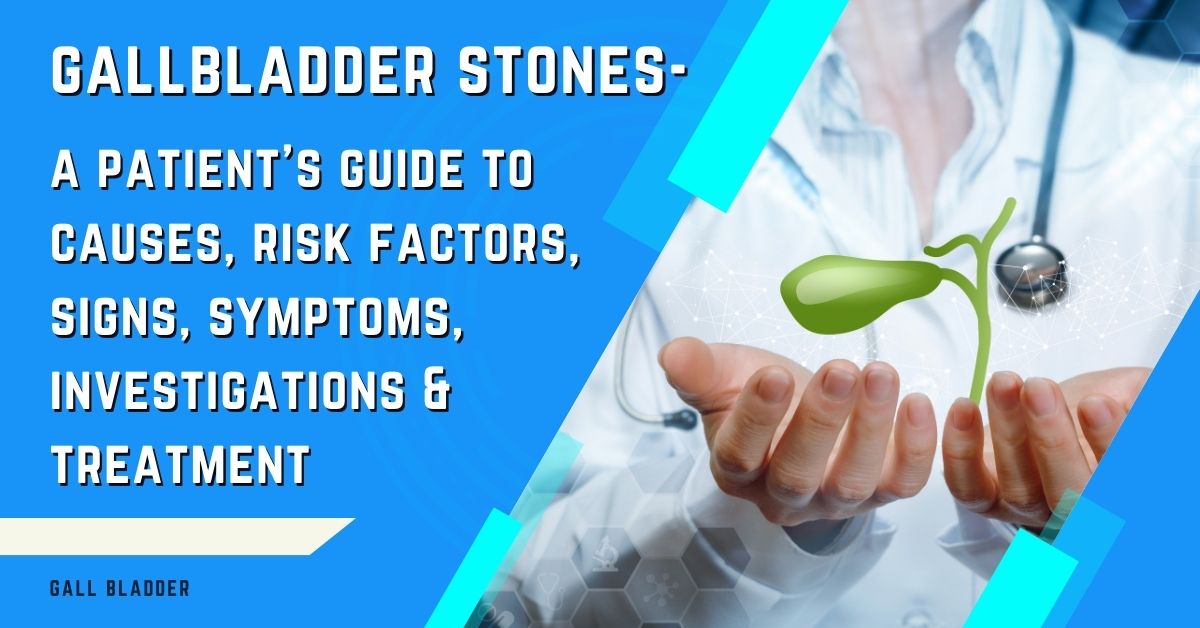
When contemplating the question, “Can the gallbladder repair itself?” it is pivotal to recognize the resilience and regenerative capacities inherent to many of our bodily organs.
The gallbladder, a crucial component of our digestive system, does have some capability to repair, especially when damage is minor. However, its self-repair ability has its limits, particularly concerning more severe conditions like gallstones and chronic inflammation.
The gallbladder performs important digestive roles in concentrating and storing bile. So when it becomes inflamed or infected from conditions like gallstones, patients often wonder whether it’s capable of healing and repairing damage on its own.
As your surgeon, I want to provide an evidence-based perspective on the gallbladder’s regenerative potential. Research indicates that the gallbladder has limited regenerative capabilities compared to other organs; however, understanding its response to surgical interventions is crucial. Delaying gallbladder surgery can lead to increased symptoms and complications, affecting the overall quality of life. It is essential to weigh the gallbladder surgery delay effects against the potential for more serious health issues that may arise from postponing the procedure.
6 Key Points To Understand
- Natural Regeneration: The gallbladder can regenerate cells, but the extent depends on the type and degree of damage.
- Minor Inflammations: Acute inflammations might resolve with proper care and the body’s defense mechanisms.
- Gallstones Challenge: The organ cannot self-repair obstructions from larger gallstones.
- Chronic Conditions: Prolonged inflammation leading to scarring limits the gallbladder’s self-repair ability.
- Influencing Factors: Age, health, nutrition, and genetics play roles in repair capacities.
- Medical Interventions: In certain scenarios, medical treatments are indispensable for recovery.

The Gallbladder: A Brief Overview
Understanding Its Role: Situated beneath the liver, the gallbladder’s primary function is storing bile, a digestive fluid produced by the liver. This bile aids in the digestion of fats.
Like other organs, the gallbladder is composed of cells that can regenerate, but this regeneration is based on the extent and type of damage.
Minor Inflammation and Reparation
Body’s Natural Healing: Minor inflammations or infections, often termed as acute cholecystitis, can sometimes resolve on their own, especially with appropriate care and treatment.
The body’s natural defense mechanisms can combat infection, reduce inflammation, and initiate cellular repair processes.
Gallstones: A Common Challenge
Beyond Natural Repair: One of the primary conditions affecting the gallbladder is the formation of gallstones. While small gallstones might be expelled naturally, larger ones can obstruct bile ducts.
The gallbladder cannot dissolve or repair this obstruction on its own, necessitating medical intervention. Without medical intervention, the gallbladder may become inflamed and infected due to the obstruction. Repair of the obstruction is typically achieved through surgery, such as a cholecystectomy, to remove the gallbladder. In some cases, non-surgical treatments may be used to break up or dissolve the obstruction within the gallbladder.

Chronic Conditions: Limits of Self-Repair
Long-term Impacts: Chronic cholecystitis or prolonged inflammation of the gallbladder, often resulting from untreated acute cholecystitis or persistent gallstones, can lead to scarring.
Over time, this can diminish the gallbladder’s function. Regrettably, scarred tissue cannot regenerate or repair itself to its original state.
Factors Influencing Repair
Elements at Play: Several factors, including age, overall health, nutrition, and genetics, play a role in the gallbladder’s ability to repair. Younger individuals often have a higher regenerative capacity.
Proper nutrition can support healing, while certain genetic factors might predispose individuals to gallbladder conditions.
Medical Interventions: When Nature Needs Help
Assisting Recovery: In situations where the gallbladder’s natural repair mechanisms fall short, medical treatments, ranging from medication to dissolve gallstones to surgical removal of the gallbladder, might be required.
It’s essential to seek timely medical advice for gallbladder issues to ensure optimal outcomes.
Final Note From Dr. Rajarshi Mitra
While the gallbladder possesses some innate capacity for repair, it is not infallible. Recognizing the signs of gallbladder issues and seeking timely medical intervention can aid in optimal recovery and maintenance of digestive health.

Dr. Rajarshi Mitra is a patient-centered, highly-rated Specialist Laparoscopic Surgeon & Proctologist in Abu Dhabi, offering Advanced Laparoscopic Surgery, Minimally Invasive Proctology & Lasers in Proctology. He is MBBS; MS (Surgery); FACS(USA); FIAGES; FICS (USA); Dip. Lap (France); and Dip. Hernia (APHS) with 20 years of extensive experience in Laparoscopic Surgery, Minimally Invasive Proctology and Fellowship training in Colorectal and Bariatric Surgery.